

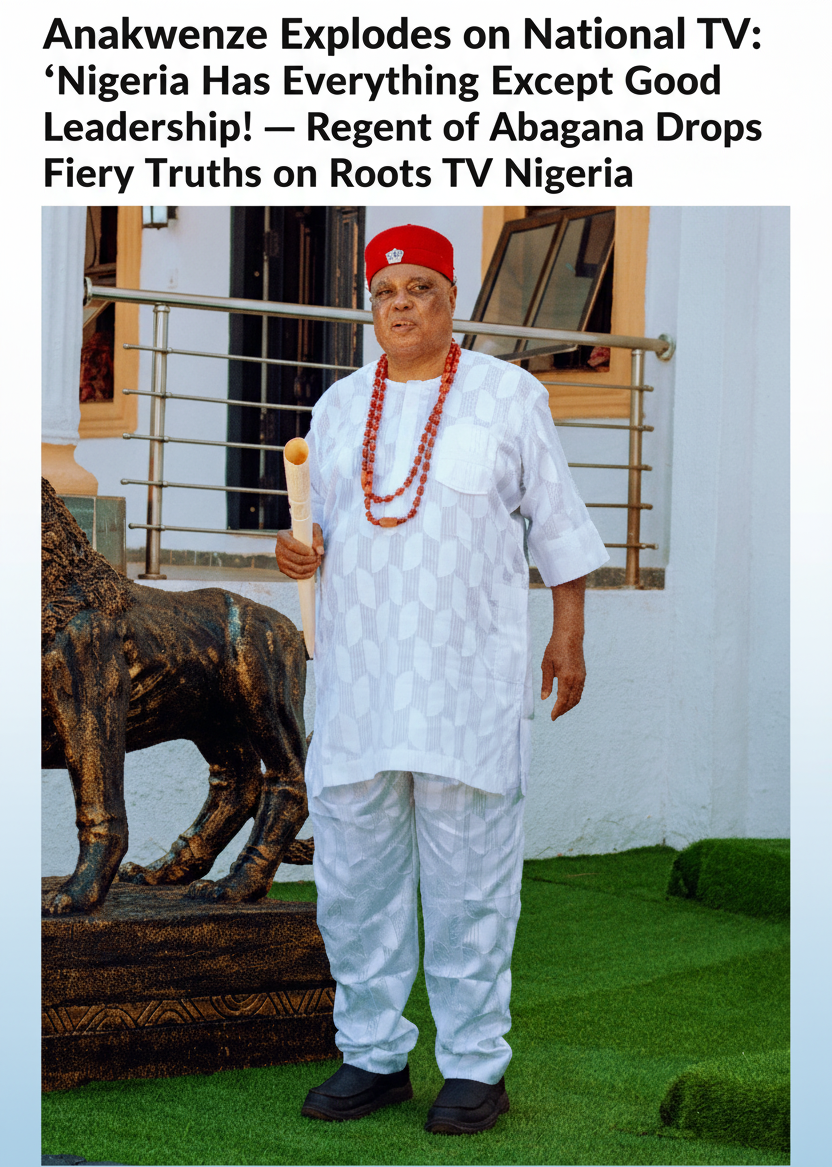
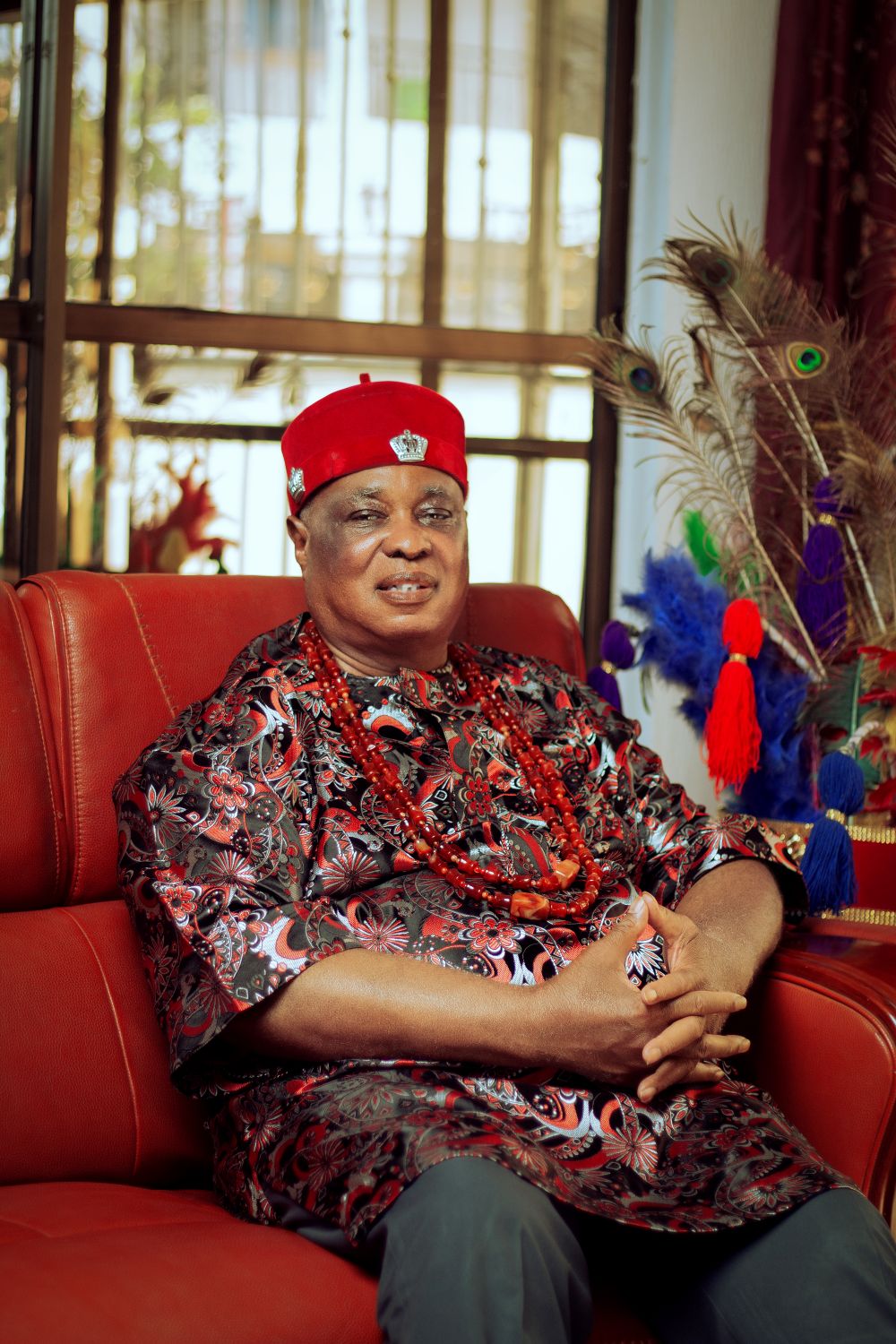
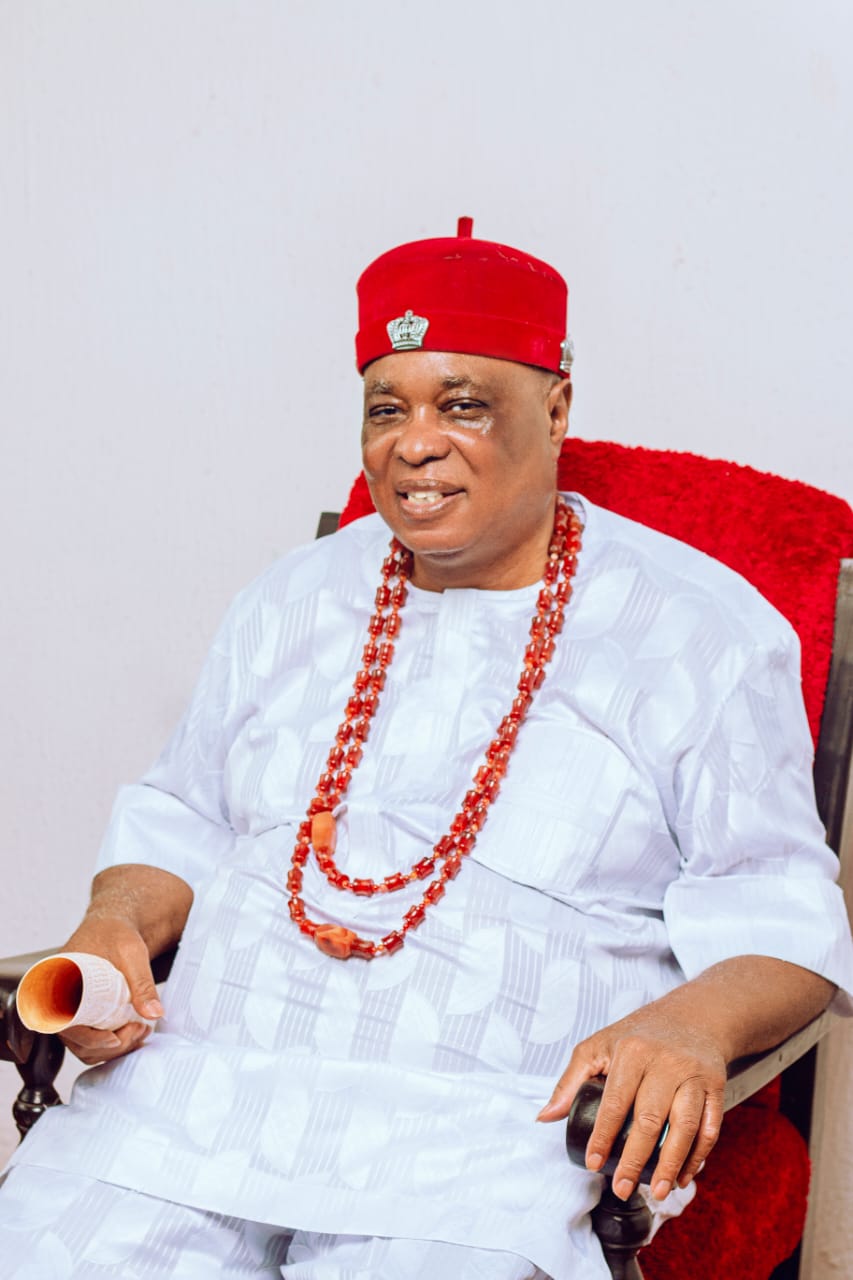
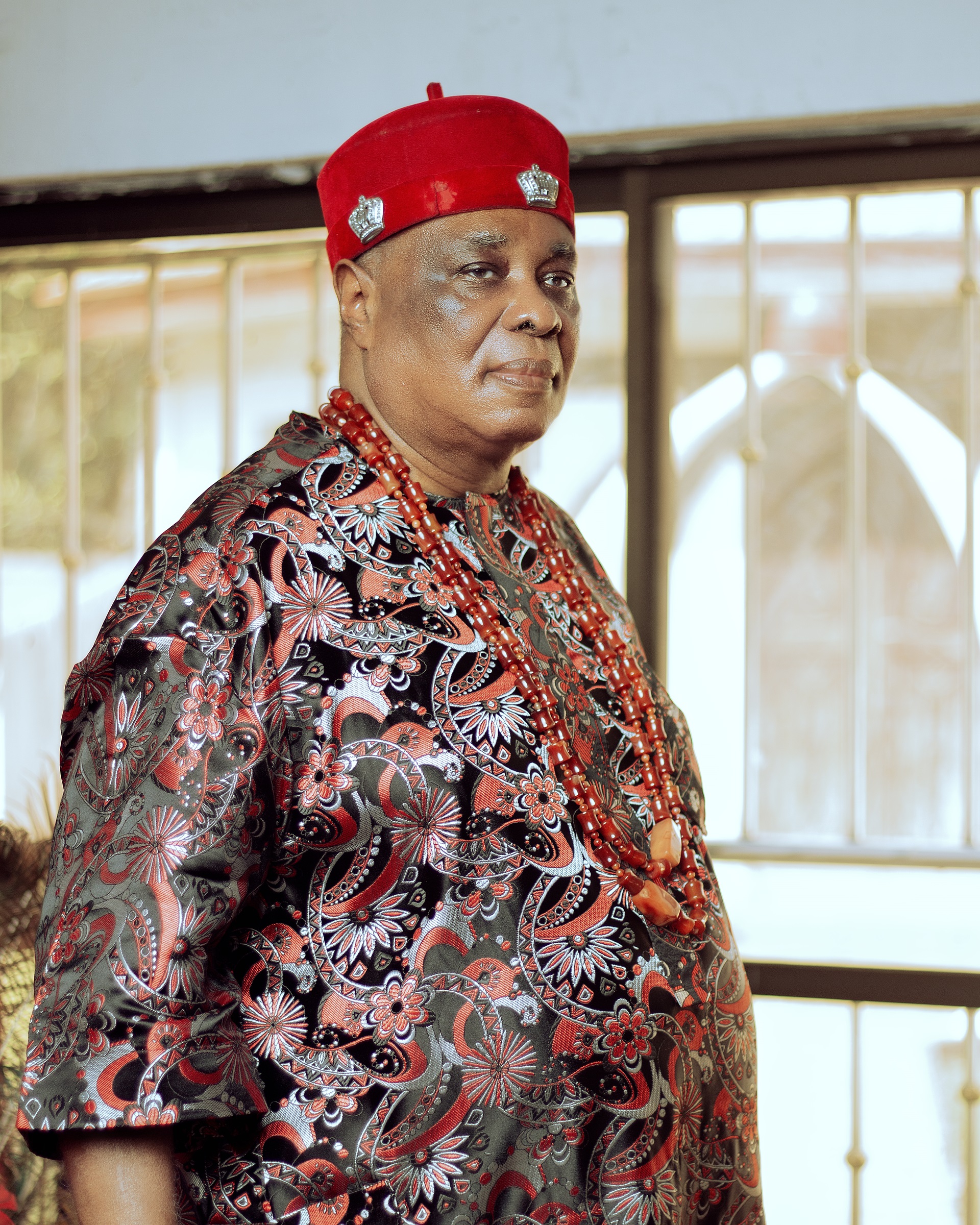
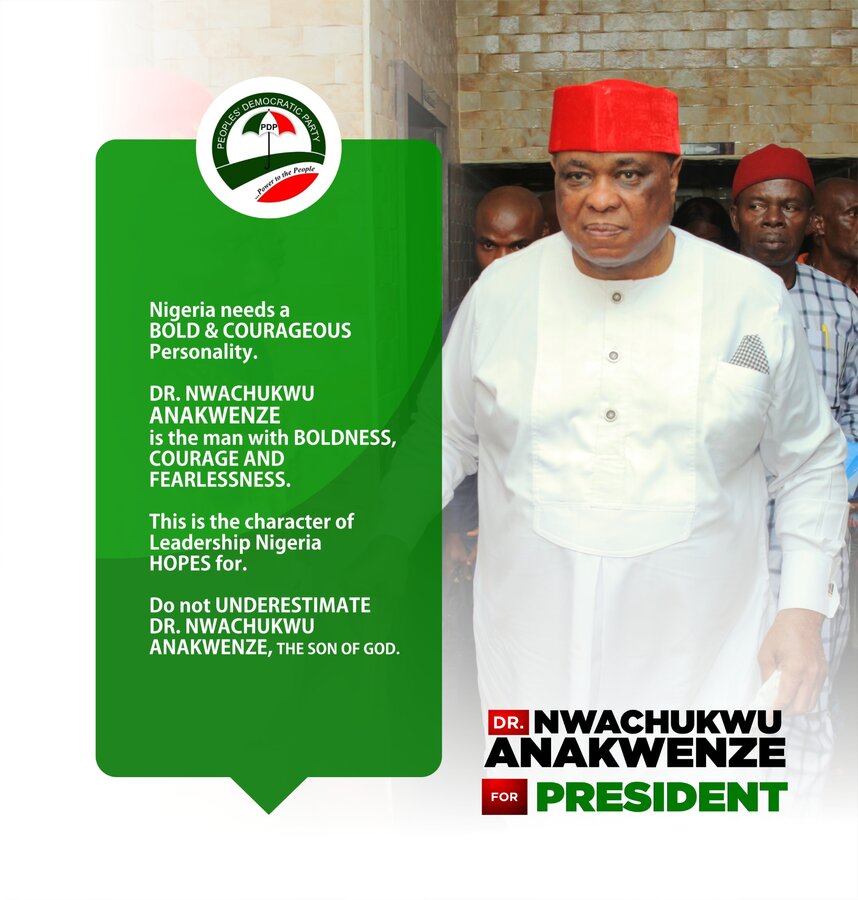
Former PDP Presidential Aspirant and renowned business leader, Dr. Nwachukwu Anakwenze (Onowu Abagana), delivered a compelling vision for Nigeria’s youth and economic transformation during an exclusive appearance on NTA’s Business Express. Drawing from his success in America and Nigeria, Anakwenze outlined actionable strategies to combat unemployment, food inflation, and systemic corruption, while urging the government to reorient its priorities toward private-sector-driven growth.
Youth Empowerment Through Agriculture and Education
Anakwenze, who employs over 5,000 doctors in the U.S. through his medical enterprises, revealed his large-scale agricultural investments in Nigeria, including a 150-hectare farm producing rice, cassava, fruits, vegetables, and livestock. “I use young people to run everything,” he declared, emphasizing his commitment to combating hunger and inflation. His ventures employ over 200 Nigerian youths, whom he praised as “honest and hardworking” when compensated fairly. “Pay people well, and they’ll work like machines,” he stated, noting his motto: “The more you work, the more I pay you.”
Beyond employment, Anakwenze announced plans for a free agricultural school and 150 scholarships for secondary, polytechnic, and university students he gives annually. He also supports orphans, widows, and low-income families by funding education and startup capital for small businesses. “Empowering widows and their children is my focus,” he said.
Critique of Leadership: ‘Corrupt Politicians, Not Youth, Are Nigeria’s Problem’
""Anakwenze lambasted Nigeria’s political class, attributing the nation’s struggles to graft rather than a lack of talent. “Nigerians excel in America—in education, sports, and jobs. Our youth are brilliant; the leaders are the problem.” He urged the government to allocate 25% of oil revenues to youth development, stressing, “Invest in our future. When I break kola nut, I pray for my children to be blessed by God so that they can support me in old age. That’s the priority.”
Government vs. Private Sector: ‘Let Businesses Lead Job Creation’
Citing the U.S. model, Anakwenze argued that Nigeria’s government should focus on policy, not employment. “Jobs come from the private sector—AirPeace, Innoson, Dangote. State-owned enterprises fail; private businesses thrive.” He called for deregulation, tax incentives, and low-interest loans for young entrepreneurs, akin to U.S. small-business programs. “If beneficiaries default, seize their assets. Discipline ensures sustainability,” he said, contrasting Nigeria’s lax repayment culture with America’s strict enforcement.
On Diaspora Engagement and Returnee Incentives
While endorsing skill acquisition abroad, Anakwenze stressed the need for a “honest government” to lure Nigerians back. “Travel, earn, but return. If Asia or Europe welcomes you, go. The current U.S. administration is hostile—targeting Black and brown immigrants—but this phase will pass.” He recalled his own journey from a teacher’s son to U.S. scholarship recipient, urging Nigeria to replicate such opportunities.
Innovation and Loans: ‘Nigeria Will Roar If We Back Our Youth’
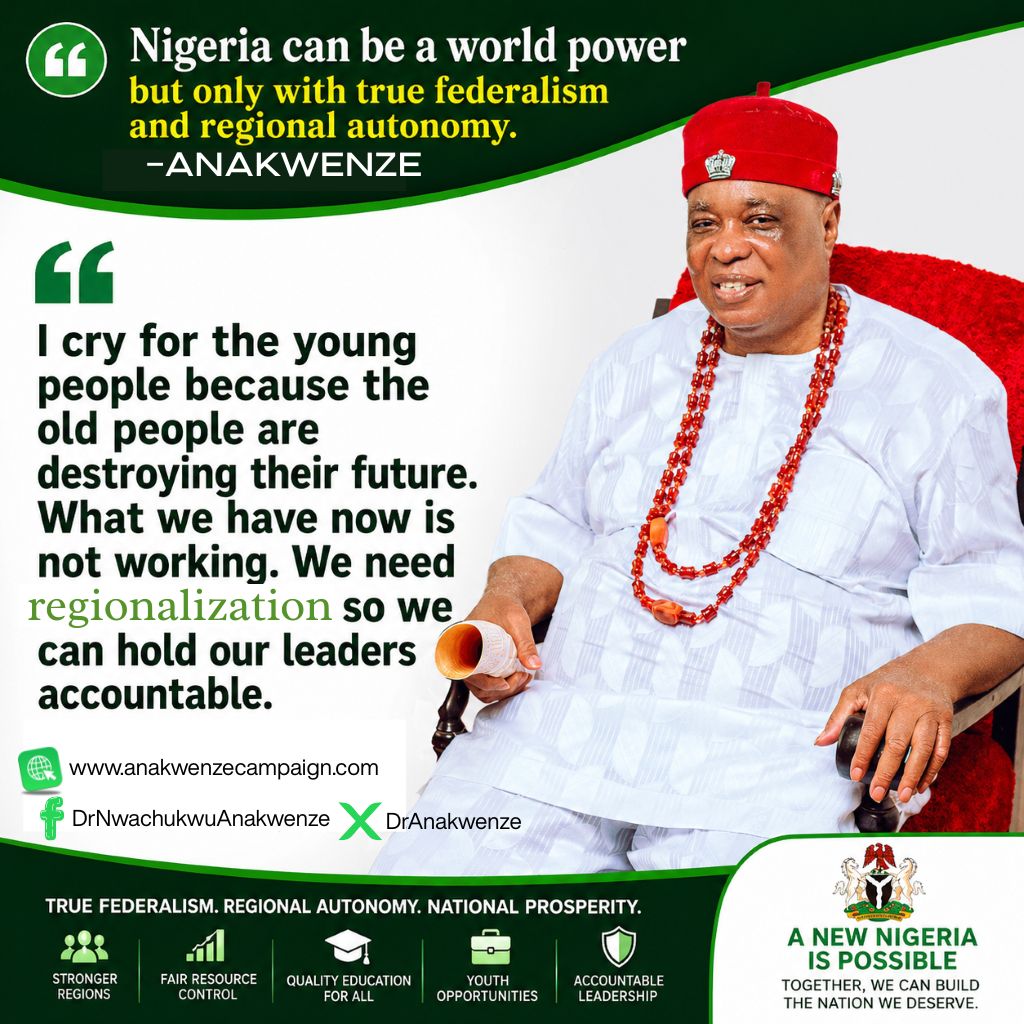
Anakwenze hailed Nigerian youths’ tech ingenuity, urging grants and monitored loans. “Train them, fund them, and watch miracles. China and India rose from worse conditions. With our resources, we should lead the Black world.” He criticized regional power disparities, advocating coal and gas turbines over reliance on Kainji Dam. “Each region must have its own power system.”
Final Appeal: Unity and Accountability
Rejecting tribalism, Anakwenze vowed, “I empower all tribes and religions.” He advised strict oversight of youth grants and 1% interest loans to curb misuse. “If we get serious, Nigeria will be a global leader. Otherwise, the Black race is finished.”
Conclusion
Dr. Anakwenze’s blueprint blends grassroots empowerment, private-sector dynamism, and institutional accountability. As Nigeria grapples with inflation and unemployment, his call for a youth-centered overhaul challenges leaders to act—or risk being left behind in the race toward progress.

















Comments
qfsJQpycOXcKJIzS
VvanFjKXKSDPhbcASZi
AzyZHKuDsQTZCgVGf
UmwSgiaihHKTMFnhqombPTrp
FbFAMhHNNsLWSWPE
tMILFJFbyWkMiEqgpzANQOgq
sqDjiVHdkyzpnrPYd
eMRxwloMwBRnsyxnFTtl
hXsLqZXGkBzGmYlQlhedK
YFywWHWycxmfcdXqaSCAZaHR
hvuNcyPxGmOkQzLjF
fUyTFMwfSTISgoawBkuK
zFUBpFGjMkrgZAhJibBL
AhoLoImxJQSDSgRn
iLuCueIXuSmTCqSAmvqzAVM
QPqOpIxMeFWzULCvq
dwzEwDNkIYmHunssz
dOolTteenXNwCGIWh
ehItmTLHOtOsiRqYDwGw
SHZocooNitpuFyoZBnizT
fgMwPZUtSrluaPmljvANmtR
PbEDCyZlrCPPDTlSqX
mMPJKoYTVaDmviLFCZ
URUGQDgsChKSUjgaeN