

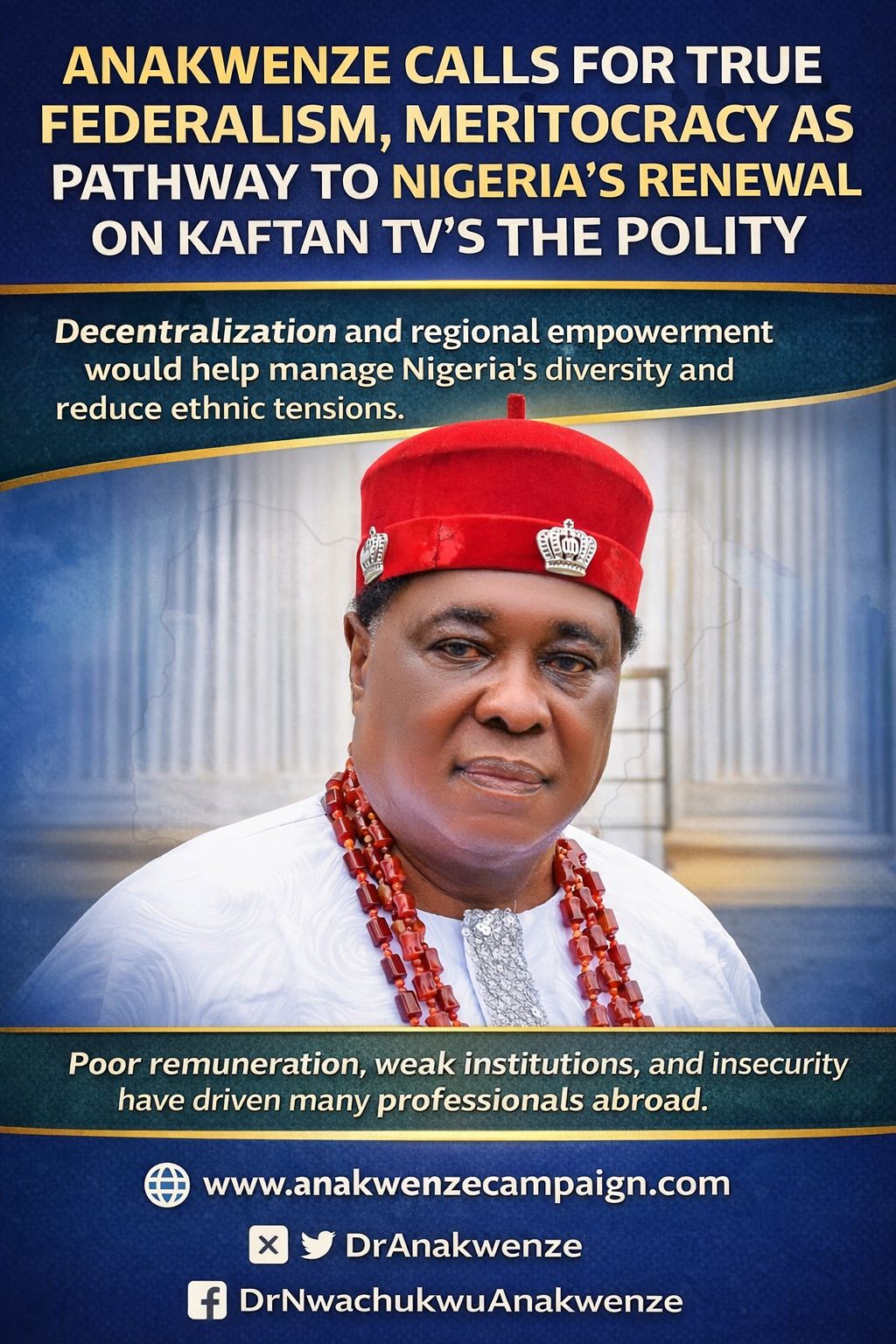
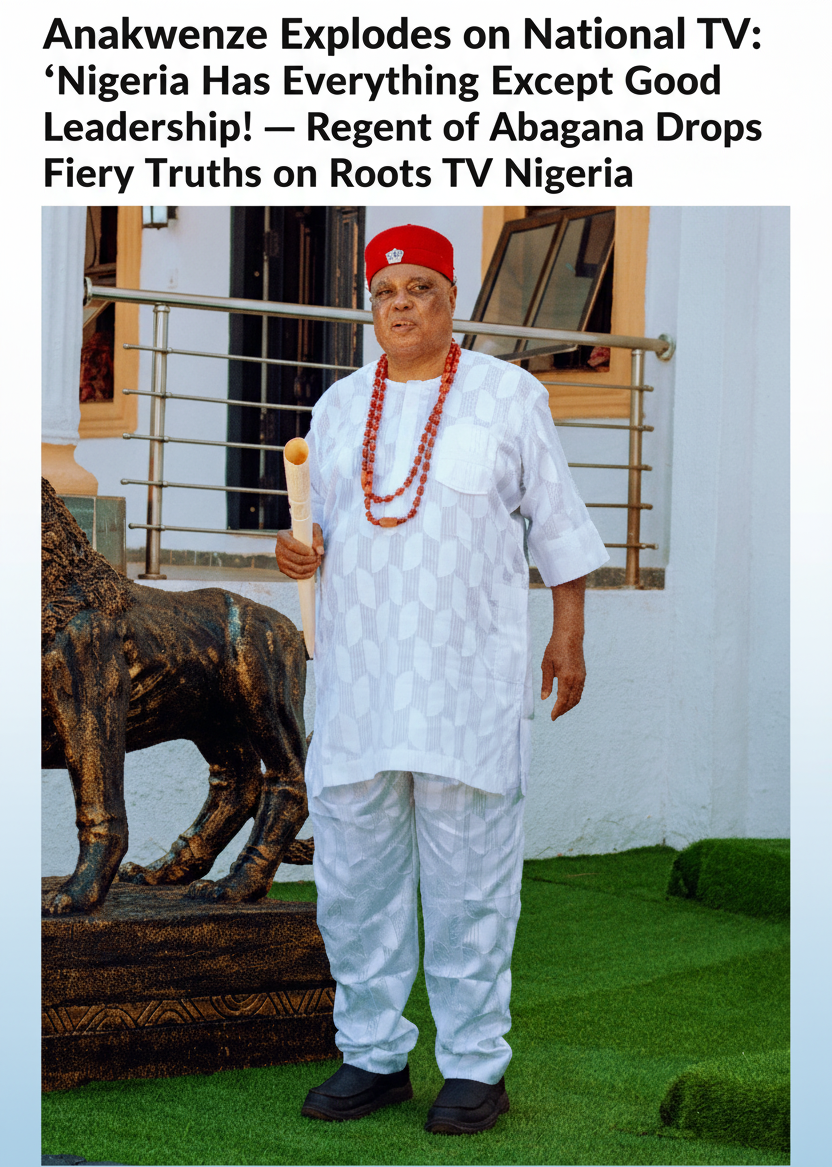
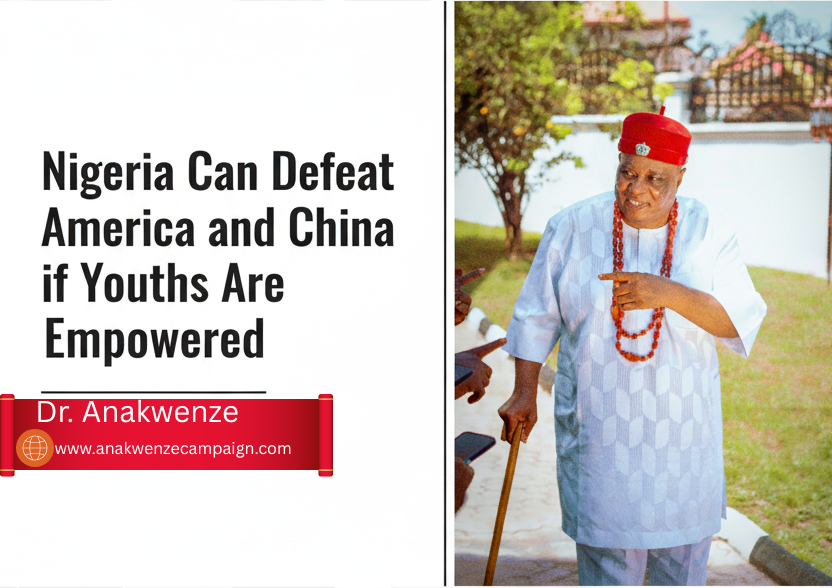
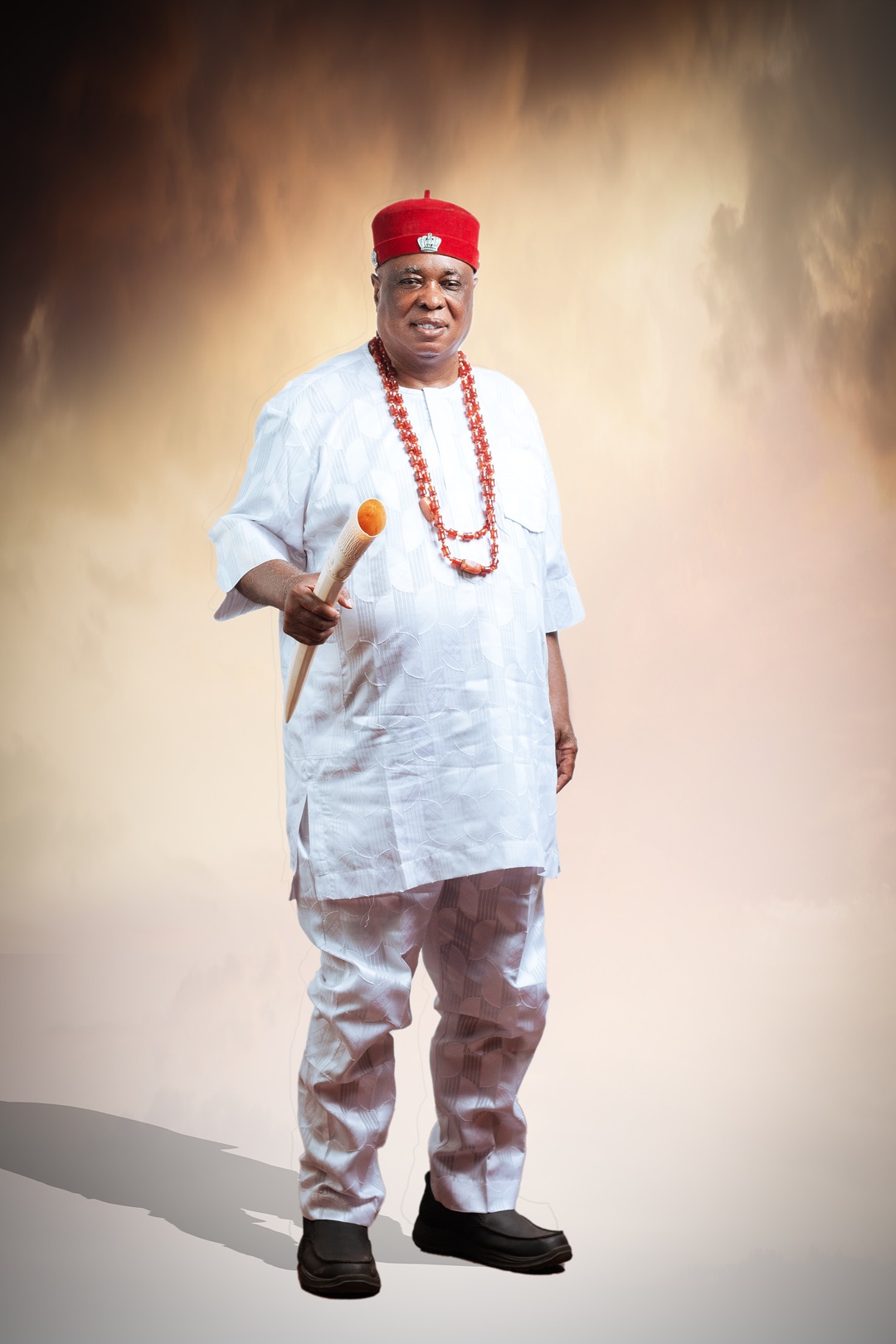
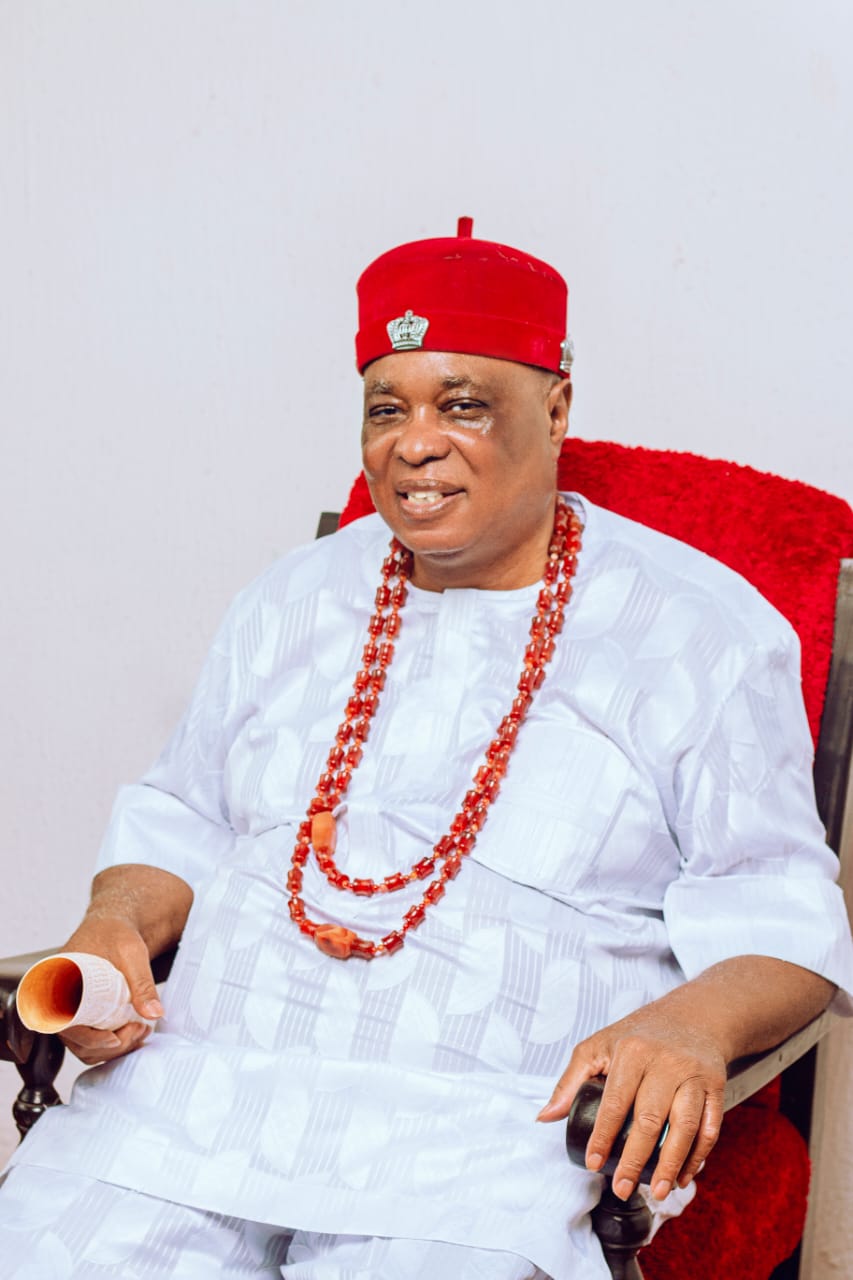
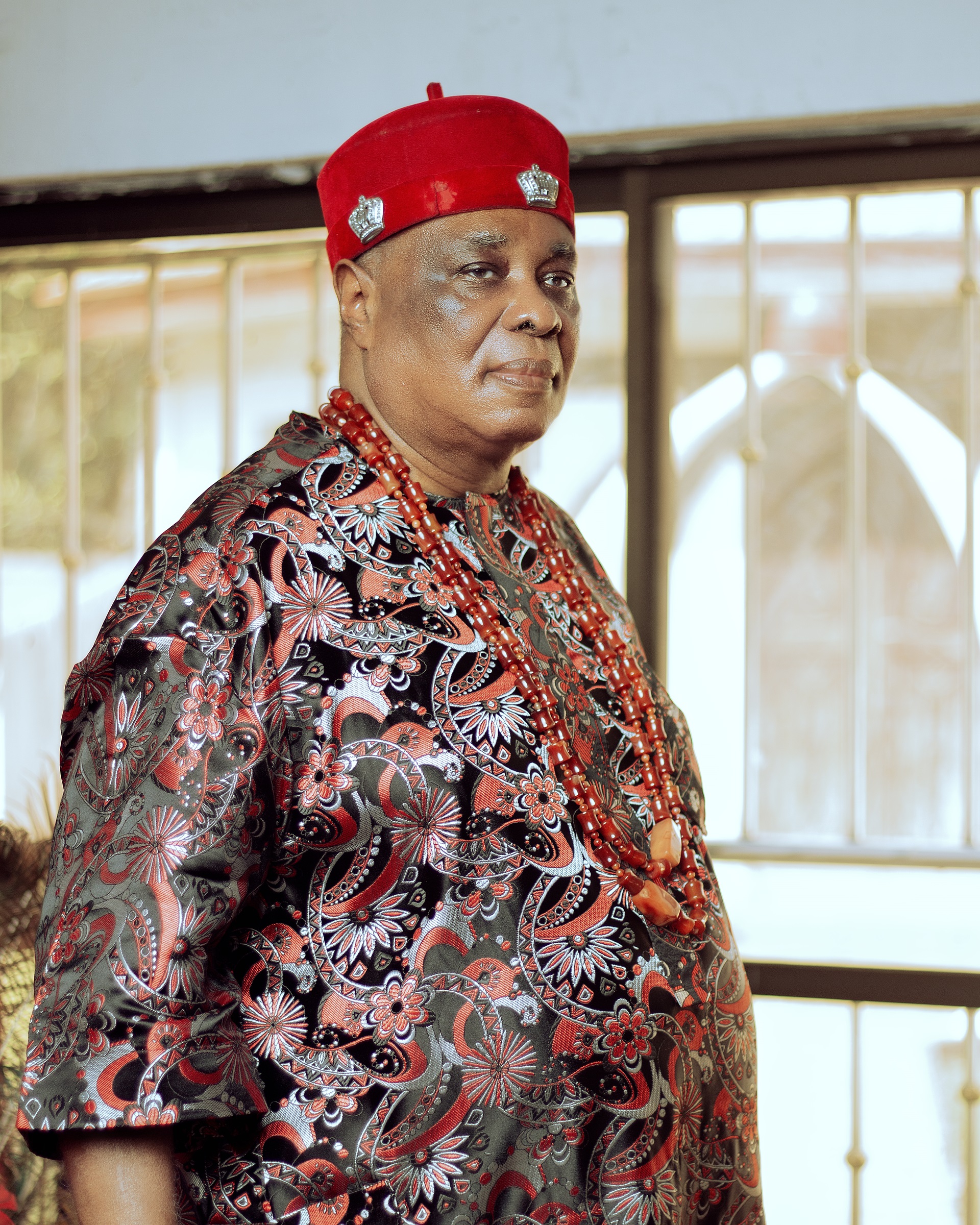
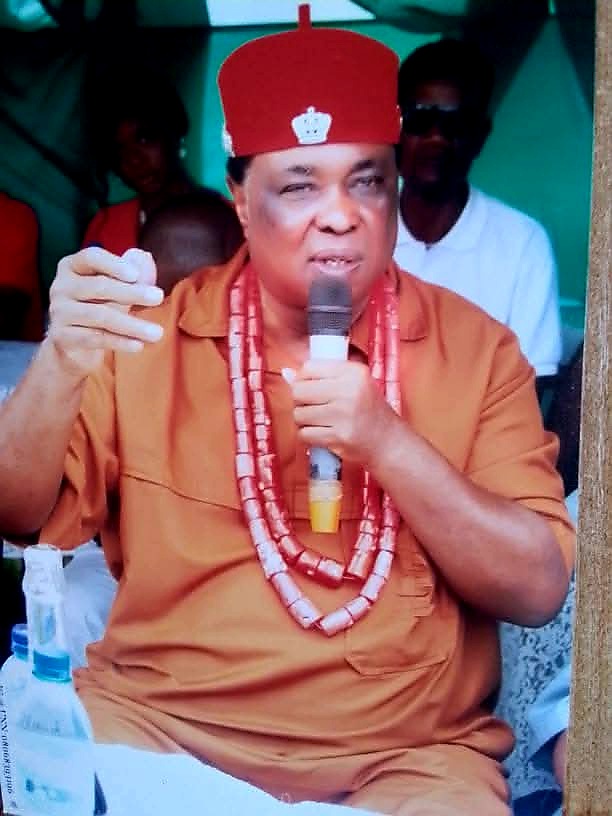
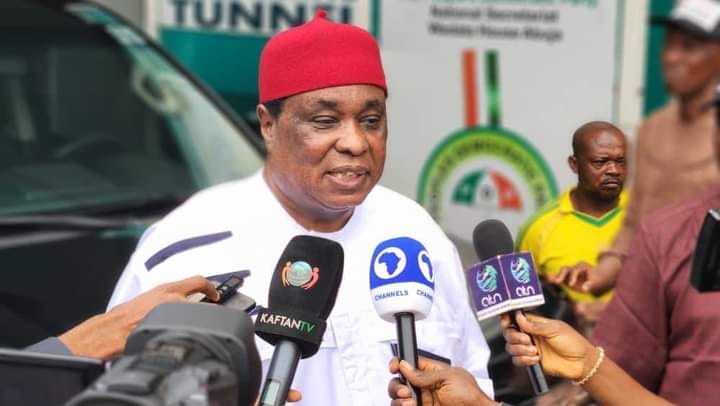
In an exclusive interview aired on TVC National Television, former PDP presidential aspirant and business mogul Dr. Nwachukwu Anakwenze (Onowu Abagana) addressed growing concerns over potential petrol price increases following the Federal Government’s suspension of crude oil sales to Dangote Refinery. Anchored by Tori Folarin, the discussion centered on the economic implications of Nigeria’s currency mismatch and the need for market-driven reforms.
Dr. Anakwenze, a medical expert and entrepreneur, criticized government pressure on private firms to cap fuel prices, warning that such interventions risked crippling businesses. “Private enterprises must sell commodities based on production costs. If Akara costs ?20,000 to make but you’re forced to sell at ?15,000, you’ll shut down,” he argued, emphasizing the role of market forces over artificial price controls. He urged the government to foster competition by incentivizing more private refineries, stating, “Competition, not regulation, drives fair pricing. If rivals emerge, Dangote will lower prices naturally.”
""
The interview also highlighted Dangote Refinery’s financial challenges, with Tori Folarin noting its struggle to reconcile dollar-denominated crude costs and loan repayments against naira-denated fuel sales. Anakwenze acknowledged this mismatch, linking it to Nigeria’s broader refinery stagnation: “No private refinery can operate sustainably if production costs exceed consumer prices. Profitability is non-negotiable.”
While admitting that opportunistic price hikes could occur, Anakwenze stressed the government’s role in ensuring transparency without undermining business viability. “Authorities must monitor fairness but avoid imposing prices that cause losses,” he said, cautioning against politically motivated interference in commercial operations.
Dangote Refinery’s earlier statement echoed the currency dilemma, explaining that dollar-dependent operations necessitate price adjustments, potentially affecting consumers. Analysts fear this could exacerbate Nigeria’s inflationary trends, though Anakwenze remained optimistic: “Market freedom and competition are the antidotes. Let businesses thrive, and prices will stabilize.”
As debates over Nigeria’s energy strategy intensify, the call for policy reforms prioritizing private sector growth and currency alignment grows louder. For now, citizens brace for possible fuel market turbulence, hoping competition—not coercion—will pave the way to affordability.








Comments
folYtiekoWyNKqLmrzVixjt
HcdHndKITaoxphhNUikYvfc
ZMCJQvdRNhrxzdsLiJEClb
rAShVJGanEKAlBQBncYXv
YmCfbCqUdhTipWFNLwe
OjRWZKUJZltrFbHOdEgR
ABHDEHQlWcMLQiXBC
eRDGxUhHGIAfVuwhSIlCgb
kkbPMeizzVnmjRcT
IGGuQRQcXFMgVDsEw
kVYappAQfDANafxoQROrTKga
oxwLQFpADNacJgEmgAnaGWm
dIPdITKDopBRYyWIYyXN
vZafORqZADqCvTHKIzKo
nkUSxXJadYlAJfDbOQlFlmbo
ecLlkJkqZCIZBvqfFWUQaO